Discovering the Conveniences of Heat Recovery Ventilation for Power Performance in Homes
Heat Recovery Ventilation (HRV) systems supply house owners a practical method to boosting power effectiveness. By redeeming warm from outward bound air, these systems can considerably decrease heating and cooling costs. Additionally, they provide a steady supply of fresh air, boosting interior air high quality and comfort levels. As home owners think about lasting options, comprehending the subtleties of HRV systems becomes progressively vital. What factors should one examine prior to making such a financial investment?
Understanding Heat Recovery Ventilation Equipments
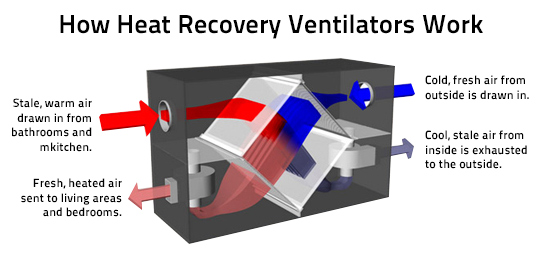
Just How HRV Improves Indoor Air Top Quality
Energy Financial Savings: The Financial Advantages of HRV
Making the most of energy efficiency, heat recovery ventilation (HRV) systems offer substantial monetary benefits for property owners. By recovering and recycling heat from exhaust air, HRVs significantly lower home heating and air conditioning costs. This modern technology can cause power financial savings of up to 30%, relying on environment and usage patterns. Home owners commonly notice reduced utility bills shortly after installment, making HRVs an economically smart financial investment gradually. Furthermore, many regions supply rewards or refunds for energy-efficient upgrades, additionally improving the financial allure. As power prices remain to rise, the cost-effectiveness of HRVs comes to be significantly clear. Generally, the incorporation of HRV systems not just advertises power effectiveness yet additionally contributes to lasting monetary cost savings for families.
The Environmental Effect of Heat Recovery Ventilation
A significant ecological advantage of heat recovery ventilation (HRV) systems lies in their capability to decrease overall energy consumption. By reclaiming warmth from exhaust air and transferring it to inbound fresh air, HRV systems minimize the requirement for energy-intensive home heating and cooling methods. This reduction in energy need adds to lower greenhouse gas discharges, as less fossil fuel is called for to maintain comfortable indoor temperature levels. In addition, HRV systems enhance interior air quality by effectively trading stale air with fresh exterior air, minimizing dependence on mechanical cooling systems that can damage the setting. On the whole, the execution of HRV systems supports lasting living methods and straightens with worldwide efforts to here fight climate Clicking Here modification by advertising energy effectiveness in domestic settings.
Picking the Right HRV System for Your Home
How can property owners guarantee they pick the best heat recovery ventilation (HRV) system for their requirements? Initially, they must analyze their home's dimension and design, as these elements influence air flow demands. Next off, examining the system's efficiency ratings is vital, as greater scores suggest much better efficiency and energy savings. House owners must likewise consider installation and upkeep costs, contrasting various brands and designs for value. Furthermore, it is necessary to assess noise levels, as some systems run more silently than others. Consulting with HVAC experts can provide tailored referrals based upon particular home conditions. Taking a look at user evaluations and guarantees can aid in making a notified choice, making sure that the selected HRV system successfully enhances indoor air quality and power performance.
Often Asked Concerns

How Often Should I Clean or Maintain My HRV System?
The frequency of cleaning or keeping a heat healing air flow (HRV) system normally relies on usage and environmental factors. Normally, it is advisable to carry out maintenance every 6 months to guarantee peak efficiency and air top quality.

Can HRV Systems Help Lower Moisture Levels Inside?
HRV systems can efficiently decrease indoor moisture degrees by trading stagnant, humid air with fresh, drier air from outside. HRV Heat Recovery Ventilation. This process helps keep a well balanced indoor environment, boosting convenience and stopping moisture-related concerns
What Is the Lifespan of a Normal HRV System?
The life-span of a regular heat recovery ventilation (HRV) system varies, normally lasting between 10 to 15 years. Routine maintenance can prolong its performance and functional life, making certain peak performance throughout its usage duration.
Exist Any Kind Of Sound Concerns With HRV Solutions?
Noise interest in HRV systems can arise, particularly from fan operation. Nevertheless, several modern devices are made to decrease sound levels, guaranteeing they run silently while keeping efficiency, which attends to possible disturbances in living environments.
Can I Install an HRV System Myself, or Do I Need a Specialist?
The private contemplated whether to install check this site out the heat recovery ventilation (HRV) system directly or employ a professional. Generally, while do it yourself installation is possible, know-how warranties appropriate capability and compliance with local building ordinance, enhancing system performance.